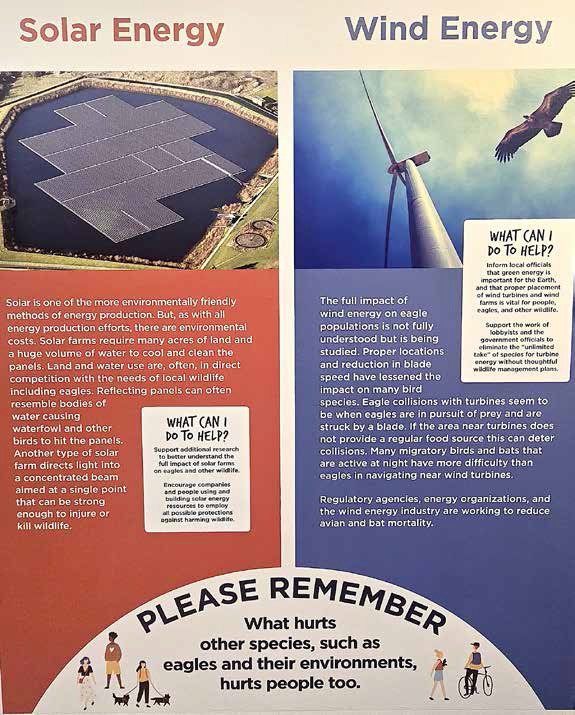
The days march forward one month since the winter solstice and managing dayto- day through winter. How often do we take out the calendar or look at the time of day to take stock? January provokes thoughts of energy use, weather, heating systems, lives, families, communities, national and world affairs and obligations.
The “we” includes all living beings that travel through season after season. Humans put names on periods of time and define the attributes of seasons planned for and lived through. Managing life over the seasons occurs through adaptations that nature provides – instincts, experiences, relationships, resources, evolution, etc. build the toolbox of options for management.
When an “arctic blast” occurs, draw on the toolbox.
Living in Northern Minnesota provides awareness, preparedness, experience, and expectations that enable seeing the benefits beyond just the employment of a shovel and a plow. There is inspiration by routine lives occurring day and night outside of artificially heated spaces. Thanks to all the plants and animals that demonstrate basic needs: food, shelter, and security.
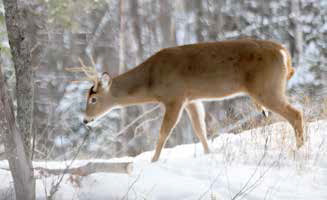
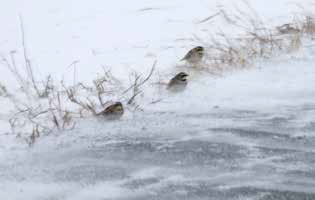
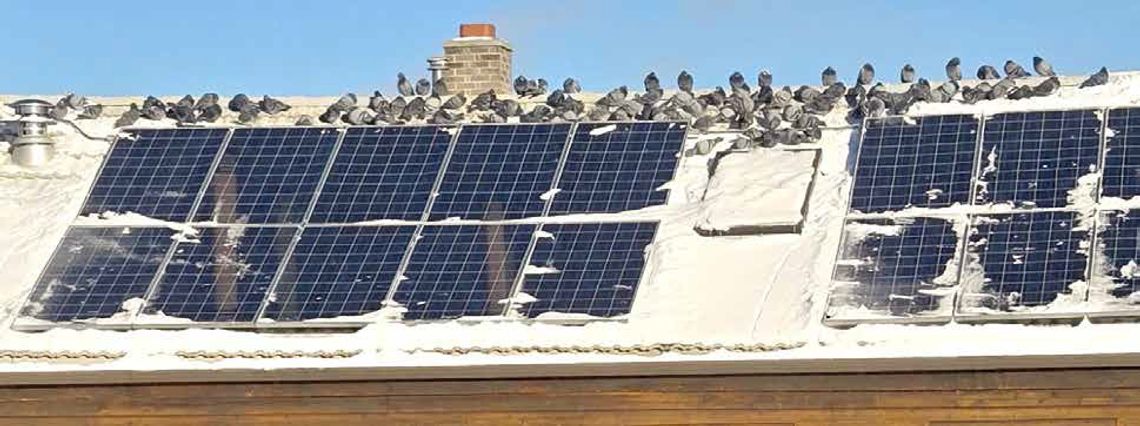
The word manage comes up often in relation to the role that humans should take in making their place throughout the seasons. Experience, observe, research and share to appreciate the winter activity of deer, wolves, blue jays, pine grosbeaks, short-tailed shrews, golden eagles, rock pigeons, foxes, snowy owls, and people. Soon there will be snow sculptures and winter festivals, the backyard bird count, and Earth Week and Day events.
A trip to Wabasha, MN and a visit to the National Eagle Center was an inspiring look at a town being much more than the Dirty Old Men movie. The Mississippi River, ice-fishing, hundreds of common goldeneyes, and lifelong friends provided a welcoming setting. A day of traveling backroads through forests, corn field stubble and seeing raptors, birdfeeders, deer, fox squirrels, and lots of other winter wildlife while searching for and counting golden eagles.
The blowing-snow trip home reward was a stop at the Superior, WI airport to spend some time talking with five young bird watchers visiting from Massachusetts. They were watching and photographing a snowy owl before returning after spending the weekend exploring northeastern Minnesota, looking at our landscape and birds.
Wabasha, Buffalo City, National Eagle Center, Alma, Mississippi River, Nelson, Durand, Superior, Duluth and back to Ely. Snow blocks in Whiteside Park create thoughts of potential in coming weeks. Steve Wilson posted his observations of blue jays and research on the Ely Field Naturalists Google Group for reading: “We have a blue jay problem, and I’m not talking about the one where they consume all the peanuts within minutes after putting them out – although we do have that problem, too. For the last few weeks, they’ve been pecking the paint off the trim boards along the bottom of a short section of wall. When I shoveled snow high enough to cove the affected area, they moved down the trim board and continued mining paint. At least two of the 10 or so blue jays frequenting our feeders have engaged in this destructive and unwelcome behavior.
Little did I know that this is a “thing” with blue jays.
It’s been widely reported, especially in the NE US where acid rain depletes the soil of naturally occurring calcium.
The behavior is most often seen in winter, and scientists theorize that blue jays are caching paint chips for the calcium, something they need for egg laying in the spring. They don’t believe that the jays are eating the paint chips but rather are gathering them into their crops, flying off, and then stashing them for later. Corroborating evidence comes from bird feeders with this problem who have been able to deter the jays from doing this by putting out eggshells for the jays to carry off. There’s even a name for consuming non-food items for mineral supplementation: geophagy.
Fortunately our paint dates from the post-lead era, but there could be other additives generally not considered health food for jays.
After I covered the affected length of wall they seemed to stop, but if not we have eggshells at the ready.”
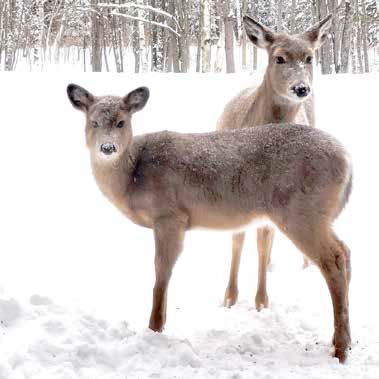
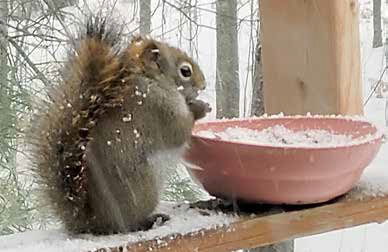
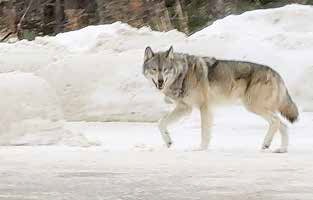
Mike Chaffin provided a look at mammals: a red squirrel, a white-tailed deer, and a timber wolf, like most wildlife, making their rounds to acquire food. This connection to winter life offers and aside from challenges like managing some winter heating systems. Share your stories and experiences and take advantage of opportunities available to engage in our communities while facing other management challenges we face.