Finland enjoyed relative stability through the late 1600’s until the early 1800’s.
Though it was center stage to many conflicts between Sweden and Russia, the wars were short lived followed by decades of peace and semi-autonomy for the Finns.
As the 1700’s were coming to an end, Russia started to ramp up its influence in Finland and dominate the landscape. In the early years of conflict, the lands that Russia gained (in some places called “Old Finland”), became less free. Russia didn’t recognize peasant land ownership and the peasant “freedom laws” instituted by Sweden were ignored. Barons were given land much like the feudal system that existed in Medieval Europe. The Finnish War ending in 1809 finally ceded the remaining portions to Russia. In the immediate aftermath of Finland becoming a “Grand Duchy”, Russia kept a low profile and let the local parliament maintain day to day operation but made allegiance to Russia mandatory. By the time the middle of the nineteenth century arrived, worldwide events set the stage for huge upheavals that led to major migrations of people from the old world to the new.
With the American Revolution, the French Revolution and Napolean’s military forays fresh in the minds of Europe’s population, the changing landscape allowed a new wave of colonialism to take place. Africa and Asia became new areas of conquest for many European countries. Russia opted to concentrate on control and influence closer to its own borders. Shedding Alaska to the United States, Russia put its efforts into “Russification” of the areas of Mongolia, Siberia and the Korean Peninsula to the east, and to more influence in Finland, the Baltic States and its borders with Austria, Hungary, Crimea and Slovenia in the west.
Sweden became weaker and America became embroiled in Civil War. The Industrial Revolution was gaining steam and caused its own unintended consequences. “Manifest Destiny” was not only something the United States talked about, but was in some forms, practiced in other countries as well. Famine due to unusual weather conditions from 1866 to 1868 killed some 270,000 people in Finland – just short of 10% of the population and led many to some desperate times.
Enter Karl Marx and Friedrich Engels and their writings in 1848. Their disdain for the excesses brought about by a sudden and large rise in capitalism highlighted the conflict of those in control of wealth and power versus the larger population deemed “the working class” who seemed to have little of either. These political applications flew in the face of each other, with both sides of the conflict becoming more radicalized in their approaches to the human condition. It is these world events and these political conflicts that play a large role in why my ancestors eventually left the “old country” and came to America.
As I researched my family history, a large problem presented itself. Surnames in Finland had no consistency for many centuries. There was no legal basis for a particular surname to be used. In fact, someone could choose any surname they wanted and go by that moniker. A given name stuck with whom it was assigned to. But as someone grew older, their situation would often give them reason to change the name they were originally born with. One common way was to change a surname to reflect parentage.
Johan Hietala’s son might change his last name to “Johanpoika”, “poika” meaning “boy or son” in Finnish. For those who left to become laborers on other farms, they might take the name of the family who owned that property. Many chose last names to give recognition to where they might live. “Kivimäki” or “rocky hill” could be used. “Hernesmaa” might mean a farm with a “pea field” or “Niemi” might desinate a particular “peninsula”. Many records indicate that men tended to be married two or three times, with children the result of each marriage.
Children might be given a surname to match an association with the new wife’s family. Stepbrothers and sisters from the same father might have different last names.
And sometimes, names were changed just to be changed.
This might be one reason why so many immigrants had no problems with changing their name when they came to America. “Millilla” might become “Mills”. “Keskitalo” might become “Kess”.
“Mäki” became “Hill” and “Järvi” might become “Lake”. You can see where it might become difficult following family lineage through several generations.
Going back as far as I can find on my grandpa’s side, the generations go as follows: Tapani Vilppo’s oldest son was born Juho Tapaninpoiki Vilppo. He changed his name after he married his second wife and then instead of “Vilppo” he was “Vataja”.
Juho’s oldest son was born “Simo Juhonpoika Vataja”.
Simo’s oldest son was born “Isarel Simonpoika Vataja” but changed his last name to “Isoaho”, which means “a big clearing”. Isarel’s youngest son, who would not inherit the family farm, was born “Efraim Isoaho” but later changed his name to “Kirvisniemi” which means “axe peninsula or point” which referred to the family farm started by Tapani Vilppo many generations before.
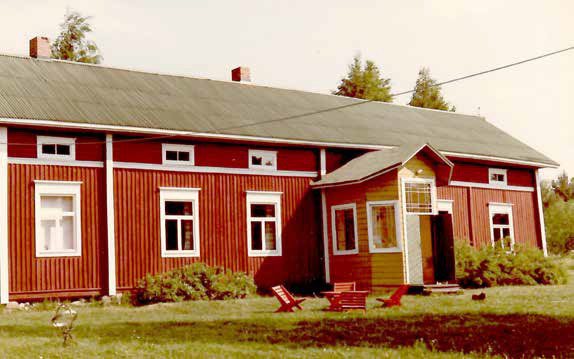
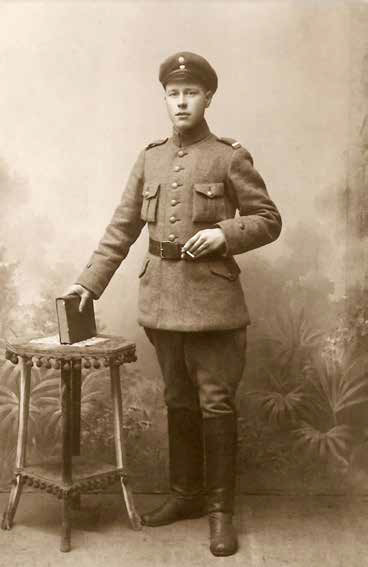
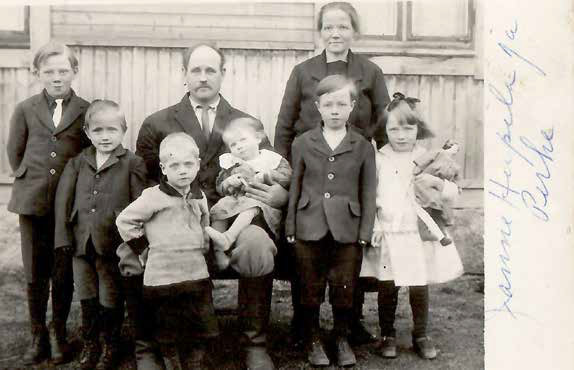
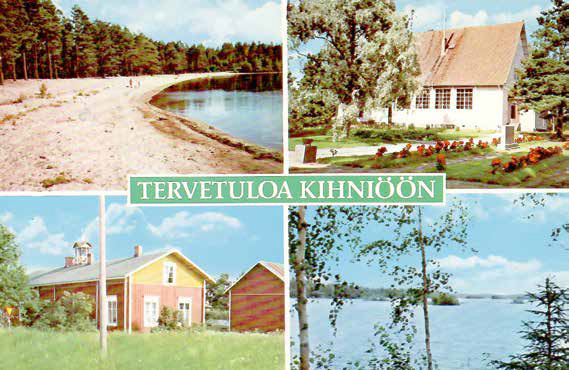
He moved to a nearby town called “Kihniö where many of my Finnish relatives live today. Efraim’s oldest son was born “Joonas Efraimpoika Kirvisniemi” but he changed his name to “Hupila”, which means “house of joy or happiness”. More on that later. Joonas’ second son was named “Edvin Frederik Hupila”. Edvin was my grandfather, and his story will start in the next chapter.
My grandmother’s maiden name has a much different backstory. Through the generations, the oldest I can find was “Johan Ollinpoika Kinnunen”. His son was just “Johan Kinnunen” followed by his son who was “Michel Johansson Kinnunen” who begat “Michel Mikonpoika Kinnunen”. Next came “Wilhelm Kinnunen” and then “Otto Johan Kinnunen”. His oldest child was a daughter “Helmi Maria Kinnunen” who was my grandmother.
Why did this surname survive the generations? Good question. Most likely because their family structure came from a different direction.
We’ll pick up that story in the next chapter as well.
Next time: Famine, Politics and Persecution – The Reasons to Come to America