Last weekend brought the last full moon of October – the “Hunter’s Moon.” With hunting in October and November beginning this weekend, you can experience a lot in fewer daylight hours and longer nights under dark skies. These changes provide subjects for conversation at every opportunity.
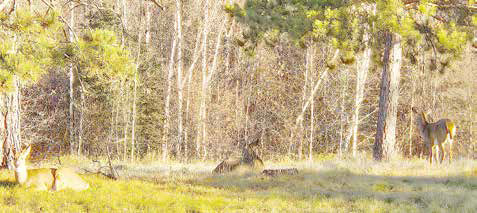
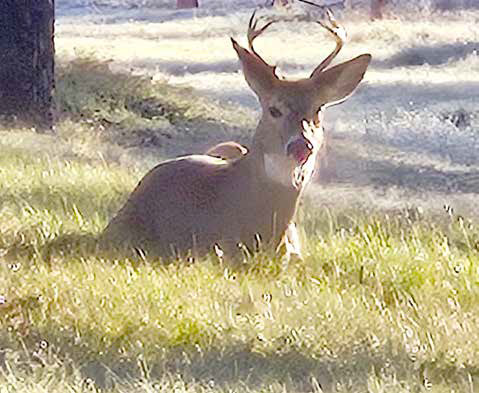
Migration and other transitions continue in the march toward snow, ice, and winter. Leaves have passed peak color and fall with the push from wind and rain. Bears visit less often as they move toward hibernation. Precaution is important when driving, as deer feed day and night along roads and adjoining areas, where they find green vegetation and fruit.
Many migratory birds have already moved south, but this week some flocks of Canada geese were seen, along with an adult trumpeter swan and two young of the year. It looks like at least another week without freezing water will provide enough for waterfowl to feed. Most raptors have passed through, and November 15 will mark the last day of fall counting at Hawk Ridge in Duluth. This week, we saw a close-up of a perched sharp-shinned hawk north of Ely, and bald eagles feeding on road-killed deer in several locations.
All animals need to eat, and the food chain is in full view. Wild birds and wildlife can fend for themselves as they have for centuries. At this time of year, people often ask who will choose to harvest wildlife for food and who will decide to feed birds or other animals. It may not be as difficult as choosing the best candidates in midterm and local elections, but a lot of discussion can still occur over which wildlife we choose to feed for enjoyment, and at what costs and risks.
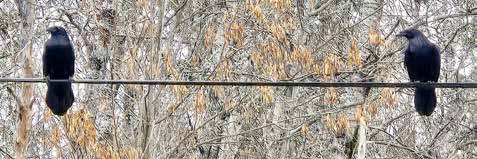
There is potential to learn a lot about nature and develop a better understanding of wildlife. People regularly report rock pigeons, common ravens, black-capped chickadees, woodpeckers, Canada jays, and many other birds that stay for the winter. And at the same time, they are wondering about Bohemian waxwings, crossbills, pine siskins, grosbeaks, redpolls, and others that might migrate into Northern Minnesota and stay for part or all of winter. And some people may be anticipating some surprises or first visits.
In upcoming weeks, articles will explore the calendar of winter bird counts and ways in which bird and other wildlife feeding occurs. Many people have fed wildlife and developed methods that work for them. Those experiences are valuable in making good decisions.
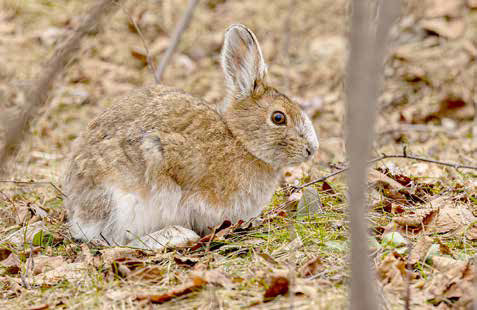
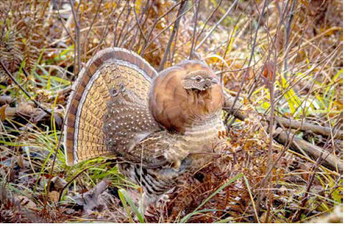
Although it’s probably not needed, wildlife will take advantage of free meals. Deer have become more abundant in towns and other places where there is food. Like grouse and other game animals, they migrate seasonally and are part of some people’s food chains. Harm sometimes also arises by changing natural habits. Do we want to feed squirrels, bears, deer, raccoons, smaller mammals etc.?
The Cornell Lab of Ornithology and Minnesota Ornithologists’ Union have conducted research and compiled findings for over 100 years. Bird feeding, counting, and learning help us understand how our environment works; that research is strengthened when citizens participate and report data that can be easily organized and shared. Nov. 1 is the beginning of the Feeder Watch Program that takes place over the coming winter. The Christmas Bird Counts are counts that occur in some areas like Ely scheduled on one date between Nov. 14 and Jan. 5. Later in winter, there will be a weekend count – The Great Backyard Bird Count. By using eBird or other reporting media, birds can be reported online at any time.
Stay tuned for ways to participate, places to explore and people/wildlife to meet.