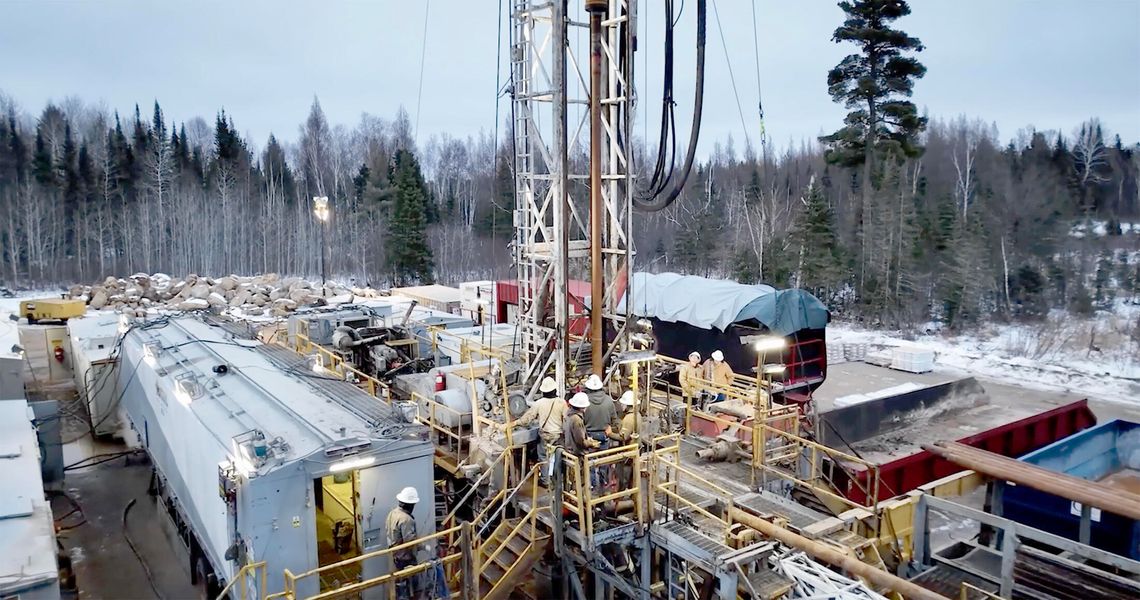
The Two Harbors City Council has approved a purchase and development agreement with Pulsar Helium MN, Inc., establishing the framework for a proposed rare gas hub on approximately 62 acres in the city’s existing industrial district. The facility would process helium and other rare gases and include helium liquefaction and carbon capture capabilities.
The agreement sets out the proposed land sale, city infrastructure participation, and the conditions that must be addressed before the transaction closes and Pulsar commits to construction. The project offers opportunities for private investment, employment, local purchasing, and future industrial development.
“This agreement gives Two Harbors an opportunity to build on our industrial history and bring a new type of business to our community,” said Mayor Lew Conner. “We want to create economic opportunities for our residents while being clear about the city’s investment and the work that still needs to happen. This is an important step forward, and we will continue working through the financial, utility and development details in the public process.”
“The agreement is an important step toward a Rare Gas Hub in Two Harbors,” said Cliff Cain, President of Pulsar “We are another step closer to making Two Harbors and Minnesota a critical part of the global rare gas marketplace in a way that will create jobs and investment here. Our team will now need to complete the engineering, financing, utility arrangements, and approvals that will determine how the initial phase moves forward.”
The city process will provide additional opportunities for public review through the required hearings and approval processes. The initial phase has a 36-month completion period after the formal project commitment, subject to permitted extensions.
The council’s approval establishes the development framework. Financing, property review, utility arrangements, supporting agreements, and required approvals must be completed before the project proceeds. Engineering studies and service agreements must establish whether the facility’s required electrical capacity, reliability, timing, and commercial terms can be delivered.
The city’s proposed financial participation includes selling land appraised at $143,200 to Pulsar for $1 and contributing up to $1 million toward the construction of a rail spur or siding. Pulsar would pay any rail construction costs above the city’s contribution. The city would retain permanent rights to use the rail service for municipal purposes and to make it available to other customers for a fee.
The agreement also provides for city clearing of the building site and road corridor, extensions of municipal water, sewer, natural gas and electrical service, and city-funded surveying and wetland delineation. Estimates for clearing and utility improvements remain to be finalized, so the full value of the city’s financial participation has not yet been determined. The $1 million rail commitment is one component of the package, rather than a cap on all city assistance.
The agreement includes a proposed 15-year property-tax abatement that would reimburse Pulsar for an agreed portion of the increased city property taxes attributable to the completed initial phase. The reimbursement percentage and estimated dollar value remain to be determined through a separate agreement and public hearing process.
The property tax abatement would begin only after the gas hub facility reaches commercial operation, the city issues a completion certificate, and Pulsar pays the qualifying increase in city taxes. This only addresses the city portion of property taxes for the site. Pulsar may choose to pursue separate abatements from Lake County and the Lake Superior School District; those decisions remain with those governing bodies.
Power supply and other utility needs for the site and the proposed facility will be addressed through engineering studies and separate service agreements. Before closing and a formal project commitment, the city must demonstrate that the required capacity, reliability and service schedule can be provided on terms acceptable to Pulsar. A separate electrical service agreement will establish the rate the city charges Pulsar; a natural gas service agreement will address gas rates. Any required upstream power-supply arrangements or regulatory approvals must also be resolved before service can be delivered.
Additional work includes Pulsar’s property and environmental review, securing project financing, completing surveys and wetland review, obtaining rail access arrangements with Canadian National Railway, and finalizing the business subsidy, tax abatement, minimum assessment and utility agreements. Zoning changes, site and construction plans, and required municipal, state and federal permits must also move through their respective review and approval processes. Plans must include a substantial tree and vegetation buffer along the property’s western and southern boundaries.
Approval of the development agreement does not, by itself, commit Pulsar to building the facility. Once Pulsar issues its formal project commitment, the agreement calls for the initial commercially operable phase to be completed within 36 months, subject to allowed extensions for delays. Later expansion phases are optional.
City staff and Pulsar will next complete the supporting agreements, utility planning, and property reviews and bring the remaining matters forward for the required public hearings and approvals.