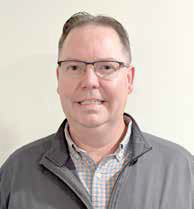
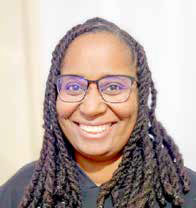
Six candidates are seeking election to three open seats on the ISD 696 school board. Steve Hornstein, Derekah Kingery, John Kannas, Bailey McLinn-Belehar, Joe Weise and incumbent Jennifer Westlund have entered their names into the running.
The Ely Echo contacted each candidate and received responses from five. Answers have been edited for length.
Personal and background information Hornstein: I have a Bachelor’s in Elementary Education, a Master’s in School Administration and a Ph.D. in Teacher Education. I’ve been a K-6 teacher, a principal, a teacher educator, and a union president. I have served on the boards of several international professional education associations.
Currently, I read with the children in the ECR after school program. I have been living in Ely full time for over six years now.
Kingery: I graduated from Millikin University with a B.A. in Human Services (focus in school social work) and earned my M.B.A. I’ve spent the majority of my working years doing nonprofit work. I own a small business, Stonecatcher Consulting. I serve as the Senior Warden at my church, work and volunteer for Ely Community Resource (co-facilitating Ely Youth Alliance and Game Club).
Kannas: I have worked at Ely-Bloomenson Community Hospital for the last 5 years in the role of Staff Educator. In addition to staff training and education, I also support safety, quality and emergency preparedness programs at the hospital. I have been actively involved in the community as a volunteer hockey, baseball and mountain bike coach. I have also helped support the ECR bike club and Scouting in our community.
McLinn-Belehar: I have lived in Ely for the past 14 years. My mother, grandma, and great-grandma were all from here, my husband was also born here, and we are excited to raise our son here. I am currently on the Parental Advisory Board for the Early Childhood Family Education program at the elementary school, and I have 25 years of customer service experience. I love this amazing and unique community.
Westlund: I have lived in Ely for 27 years. I have two children, a recent Ely graduate and a current Ely sophomore. My professional experience includes over 19 years working with the Minnesota DNR as a Park Manager. I have served on the board of directors for the Ely Blue Line Hockey Association, the Wilderness and Park Management program advisory board at Minnesota North College and the Minnesota North College general advisory board.
Why should voters choose you for the school board?
Hornstein: Aside from my lifetime commitment to working in and improving schools I hope folks will support me because I will always put the academic, social, emotional and physical needs of our students first. The variety of my experiences will help me consider issues from a variety of perspectives. I believe it is my responsibility as a board member to actively seek and consider the perspectives of teachers, administrators, staff, students, parents and the larger community.
Kingery: I understand our youth, work well in a group of people who bring different experiences and perspectives, and I’m a systems- thinker, always aiming to build systems that work for the folks they’re meant to serve. My priorities are: A district culture where all students feel safe and want to come and learn, financial stability while prioritizing faculty and staff jobs, and district performance measures that are publicly accessible, understandable, and clearly used to guide decisions.
Kannas: I have three kids in Ely Public Schools, a sophomore, a 7th grader, and a 5th grader. We have really good schools here in Ely, but we can always do better. I will work to ensure our schools not just get by, but thrive for all current and future students who have the opportunity to attend. The school system is a vital part of our community and I want to help ensure its success.
McLinn-Belehar: I believe in showing up for all students. While I have a child currently enrolled in the early childhood program, I’ve been fortunate enough to watch the children of friends go through the Ely school system, and to see their successes in the world at large. I have friends with children at all ages who are currently enrolled, and I want them - and their classmates - to have the best possible school experience.
Westlund: As a current school board member, I understand district funding, budgeting, staffing and student needs. I serve on the board’s finance, policy, and continuing education committees and have been at the table as we managed budget cuts with the core value of the fewest impacts on our students. As we continue to face challenges to identify steady funding and evaluate the implementation of the 4-day school week, I want to continue this work.
What long-term strategies could the district use to increase enrollment? Which projects, programs, and activity offerings could draw in new students?
Hornstein: One approach is to develop a reputation for excellence in needed areas (beyond just test scores!) My personal recommendations would be that we work toward such a reputation in Math, Critical Thinking, reading comprehension, a wilderness focus, or ethically- based AI. Seeking ways to get homeschoolers back to our schools is another direction we might pursue. We could provide several multi-aged classrooms rooms that provide a more individualized, child centered, activity-oriented approach.
Kingery: I’d like to have a well-structured historical audit or survey of families that have left the district or not enrolled in the last five years with an in depth discussion about the data collected and actionable steps in the areas within our control. To decide what programs would bring students in, I believe we should be asking the adults in charge of enrolling students and the students themselves.
Kannas: The priority should be to develop strategies to retain our current students. One strategy is to increase opportunities for career and technical education electives for our middle and high school students. If we had more College in the Schools classes, high school students could stay in school and earn college credits rather than attending Minnesota North. We need a culture that is welcoming and supportive for all students.
McLinn-Belehar: Ely is fortunate to have a diverse offering of extracurricular activities - from school sports teams to clubs and activities sponsored by Ely Community Resource (ECR). I know there are several administrators involved in searching for funding opportunities, but grant applications are becoming more and more competitive. Making sure we’re maximizing every dollar and looking for every financial opportunity is essential to the future of the school.

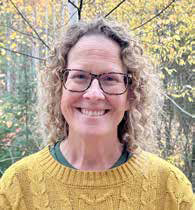

Westlund: The school board must support our administration and teachers as they continue to explore online opportunities, flexible schedules, and increased class options. We need to continue to explore community partnerships with the hospital, college, and local businesses to enhance student learning opportunities and maximize resources. We’ve seen what is possible with Ely Community Resource’s partnership and the Ely Educational Foundation supporting a new grant writer position.
What skills, experiences, and knowledge do you believe every Ely student should have before graduation? How can local education help students achieve these outcomes?
Hornstein: It is important that we identify what we hope our students will do as adults and citizens in order to know what skills and experience they will need. My suggestions for what we want our future citizens to do are: Use mathematics to solve problems; Use technology ethically to create solutions for problems; Participate in the political, economic and social life of their communities; Care for the common good.
Kingery: Students should understand core subjects, know how to think critically and engage in conversations with folks from a variety of backgrounds, and understand their civic rights and responsibilities. They need practical life skills like how to manage money, how to network, and how to be active in communities. We can help them by supporting local organizations, mentorship, and creating apprenticeship opportunities.
Kannas: I believe our schools should help prepare the students for whatever path they choose next whether that be a job, trade school, or 4-year college. The students should have the academic, social and emotional skills to be successful in their next venture and have a positive impact on the community around them.
McLinn-Belehar: I think every Ely student should graduate with confidence in themselves to handle the world around them, whatever they choose to do. Students should be prepared to be good members of their communities, wherever they land. Local education is essential to the well-being of our young people - and modeling the civic engagement that we want to see is crucial for developing that sense of community with our kids.
Westlund: Students should graduate with an understanding of their role within our society. Our educational efforts can support this by encouraging respectful conversations within classrooms, examination of multiple points of view, teaching students how to verify sources for accuracy, and exploration as to how each student can contribute their skills and interests to better our communities. I am amazed at the multitude of experiences our students can participate in.