by Joe Friedrichs
Environmental advocates want a federal appeals court to restrict the ability for people to use motorized boats in select areas of the Boundary Waters Canoe Area Wilderness.
Last fall, a federal judge upheld the use of motorboats that allow outfitters to tow canoeists into parts of the BWCA.
The towboat ruling in September by U.S. District Judge Nancy Brasel was a blow to Wilderness Watch, an environmental group that sued the U.S. Forest Service over the matter.
Wilderness Watch filed the appeal Dec. 1, 2025. The filing to the United States Court of Appeals for the Eighth Circuit went largely unnoticed by the public, BWCA outfitters, and most media outlets.
An outfitter on the Ely side shared the news of the appeal last week with Paddle & Portage who reviewed the court filing via a PACER account, which allows media and other account holders to access various court documents.
In subsequent emails with Kevin Proescholdt, the conservation director for Wilderness Watch, it was confirmed the appeal is in process.
“It’s still early in the appeal process,” Proescholdt said. “We just submitted our initial brief, and now we’re waiting for the government’s reply brief.”
The basis of the original lawsuit to restrict or eliminate tows from the BWCA stems from Wilderness Watch’s belief that motorized boats have a negative impact on recreation in the Boundary Waters. Too many motorized boats diminish the feeling of wilderness as Congress intended, according to Wilderness Watch. The core of the lawsuit is that too many tows are happening in the BWCA.
The Forest Service has not taken a clear stance publicly on towboats that operate in the BWCA. However, after the court’s ruling last fall, Superior National Forest Supervisor Tom Hall expressed support for the judge’s decision.
“It is good news that towboats in the BWCA are able to continue,” Hall said in September, “and the American public is still able to access and recreate on their public lands.”
Concurrently with the courtroom happenings, motorized boats and commercial tows inside the wilderness line are a significant issue as the Forest Service revisits the plan it uses to manage the BWCA.
In a broader statement he made last spring about the wilderness of the BWCA, Hall said changes to the agency’s forest plan directive can better position the Forest Service “to restore and preserve wilderness character and meet the purposes of wilderness” as described by Congress in the Wilderness Acts of 1964 and 1978.
A draft of the updated forest plan for Superior National Forest and the BWCA is expected to be released in the coming months.
Nonetheless, with the appeals process now underway, the future of towboats and other motorized use inside the BWCA is once again in question.
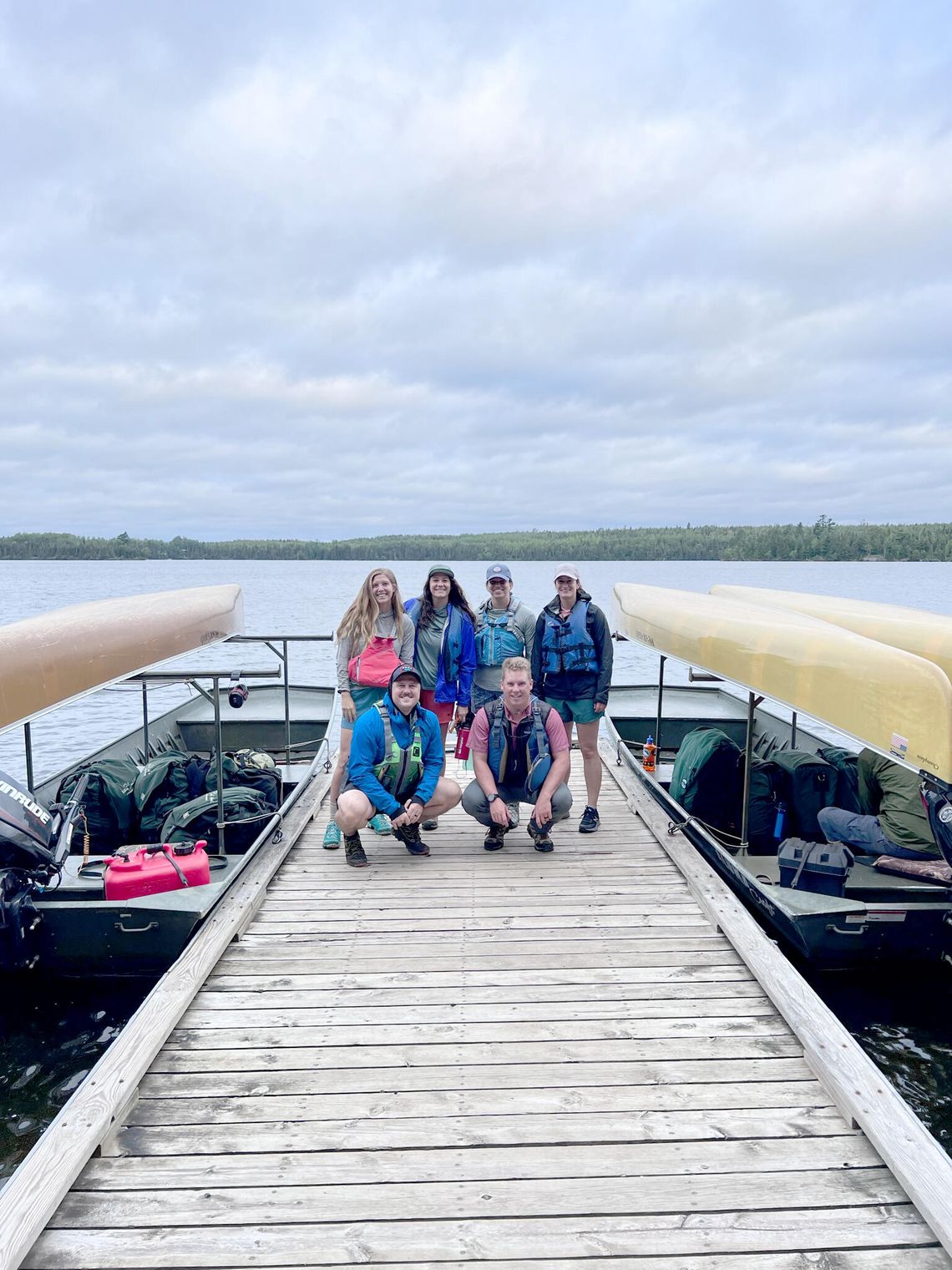
On the west side of the wilderness, shutting down tows or reducing the tow capacity would impact Williams and Hall, LaTourell’s, and Spirit of the Wilderness, among other outfitters. The ruling would have a much larger impact on the Ely area, where many canoeists receive a tow across Moose and other lakes around Ely each season.
“It allows many of our guests to reach more remote locations a bit quicker and helps spread groups out,” Ginny Nelson, a co-owner of Spirit of the Wilderness, told P&P last fall. “It also allows some of our guests, with limited mobility, to access the (Boundary Waters) a bit easier.”
On the eastern side of the wilderness, altering how many or shutting down commercial tows would have impacted Tuscarora Lodge and Outfitters, Seagull Outfitters, and Voyageur Canoe Outfitters (VCO) most prominently.
“This is not only important for us as a small business, but even more so for our customers who rely on towboat service on Saganaga Lake,” said Matt Ritter, a co-owner at VCO.
There are fewer than two dozen outfitters legally allowed to operate on 14 lakes in the BWCA Wilderness.
According to the lawsuit from Wilderness Watch, outfitters typically provide around 4,000 tows to paddling groups during the quota season, from May 1 to Sept. 30.
According to a visitor report released last week, the Forest Service says approximately 148,700 people visited the BWCA Wilderness in 2025, down nearly 1,000 from 2024.
Paddle and Portage reached out to the Forest Service for comment on this story and the news of the appeal in federal court on towboats in the BWCA Wilderness.
In a statement sent April 24, Forest Service spokesperson Joy VanDrie said the agency “cannot comment on current litigation.”
The appeal in federal court is expected to have little to no impact on towboat operations for the 2026 season, barring a ruling from United States Court of Appeals for the Eighth Circuit.
There is no timeline for how long the appeals process will take in federal court, though it will likely stretch on for many months.