A camera provides visual records of observations and experiences by transferring them to a recording device. Our sensory organs work for us and others by collecting the events we encounter and storing them in our memory for later use and potentially sharing them with others in a comparable system. Thanks should be given to the community around us for expanding the number of observations we would miss without our connections to others.
This train of thought can be overwhelming as we consider all the avenues of information available and the information we have stored to use. While I’m writing this, Pepper is staring at me and occasionally scratching at my leg to make sure I get the message that it is time for her breakfast. She has a daily routine built into her canine mind to use and communicate when needed.
Think back over the past week and consider the experiences and information you received to process. If you are reading this article, you are picking and choosing from the information available. It’s nice to have a choice of what to seek. Where do the collection systems at work exist that can serve your needs or have the potential to provide unexpected rewards?
By rewarding Pepper with the breakfast needed, she could go off to explore in a familiar environment with unexpected but safe encounters. Often, deer may appear eye to eye, and without complete understanding, they can be dealt with by barking and chasing to return conditions to their preference.
A friend who lives on Burntside Lake walks each day, and during the past week, she observed an immature trumpeter swan. Sometimes the swan was on shore and other times on the water, but it was never seen feeding or flying and no other swans accompanied it. Those observations didn’t seem normal and were discussed with others for the interpretation of their welfare. As of the last report before this writing, it seems a likely interpretation of its behavior that, given its juvenile age, the swan may be disabled and could benefit from capture and diagnosis. This can be updated later, but the next action may be to provide a rescue capture to learn more.
Living with the opportunity to observe what comprises our environment and discussing what is found and known is rewarding. Whether it’s the weather, plants, animals, people, landscape, or community, then looking, listening and trying to understand may lead to helpful, thoughtful and needed action.
This week leads to Minnesota’s fishing opener and there is a program today to learn more about fish, lake and river habitat, management, licenses, bait, and places. Looking at the eyes of fish that are mounted, or on a poster or a hook connects to their world.
The adult broad-winged hawk that looks back from the telephone wire. Knowing one of our most common forest buteos that migrated from here to South America for the winter and is now back again deserves giving it a welcome as it hunts for frogs, snakes, small mammals or other food from the ditch.
Seeing the raven looking back while standing on the pigeon it had just chased and pinned down on Chapman Street was surprising and suggests it hunts to provide food for itself and its nestlings in the city.
Reading a posting about the first sighting of a Franklin’s Ground Squirrel this spring in our area leads to responses from others who are familiar with them. Although not as abundant as chipmunks, tree squirrels, and flying squirrels. Now they can watch, listen, or read to learn more about them here and across the Midwest.
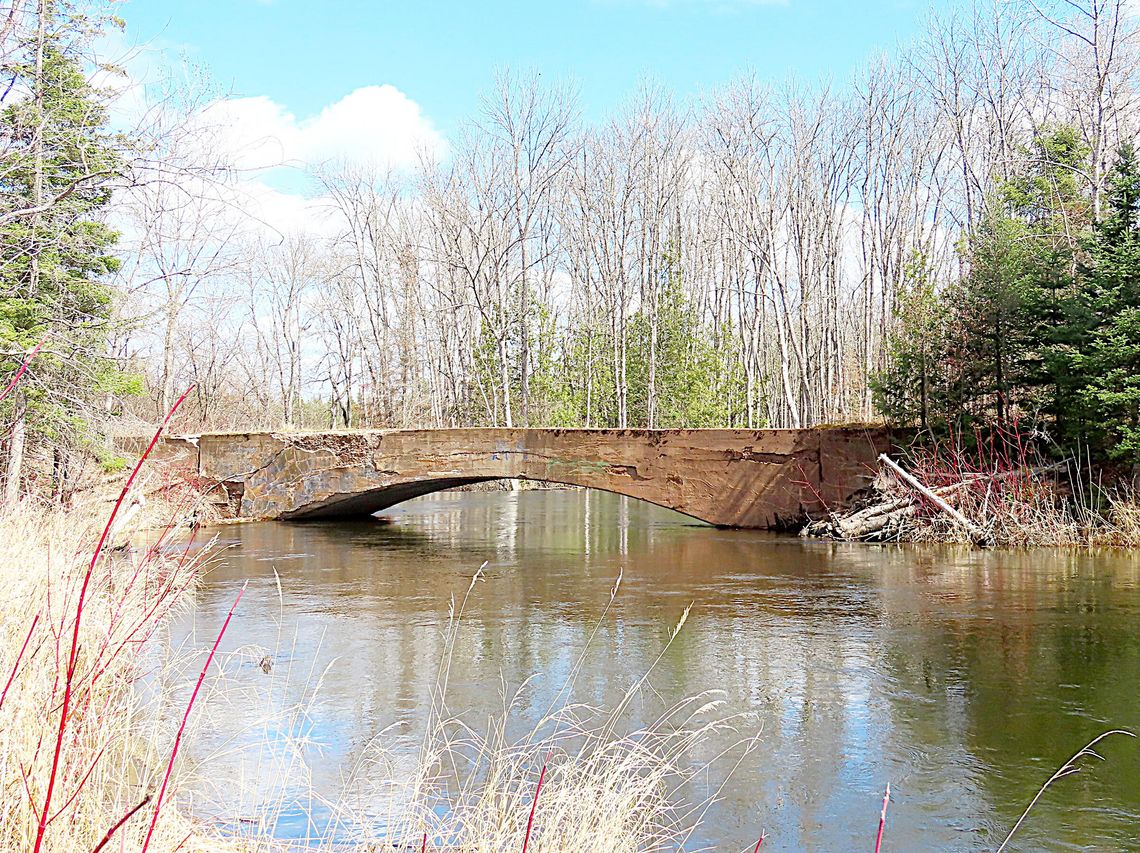
Lots of talk about spring waters leads to sharing water levels and impressive flows through waterfalls, rapids, dams, and culverts. The Shagawa River, where beavers are active, provides greater access to the surrounding flooded ash forests, which provide adults and young born during the winter with new travel corridors and trees to be felled in the floodplain around the old railroad bridge between Ely and Winton. A good place for the ring-necked ducks to nest this spring.
Not just because of fishing season, but because of increased outdoor activity and people visiting our area, there will be more discoveries, meetings, and learning opportunities from day-today observations.