The Crash of ’29 created hardship not just in the U.S., but all over the world. Unemployment rose to almost 25%. Over 7000 banks failed. Wages fell by over 60%. Industrial production fell by 46% and the suicide rate rose by 40%. The effects were felt for a decade, with only WW2 changing the numbers.
Making problems worse, multiple years of drought and poor farming practices created the Dust Bowl during the same period and caused the bankruptcy of thousands of family farms and the collapse of several avenues of food production. So, how did the Hupila Farm in northern Minnesota fare during these trying times?
To be sure, everyone suffered. But the small Finnish farms that were carved out of the woods and rocks during the first two decades of the 20th century felt the pain less than many others. Basic foodstuffs were self-generated. Milk, cream, butter, beef, pork, poultry and eggs and could sustain a family quite easily.
The years clearing and maintaining hayfields allowed herds of half a dozen or more cows for milking and steers for butchering to be kept over the harsh winters. Canned beans, tomatoes, carrots, beets, cucumbers and peas from large gardens and kept in mason jars lined pantries.
Tubs of potatoes were bagged into gunnysacks and stored in basements and root cellars. Apple trees were mainstay. To supplement this home-grown bounty, fish, venison, berries, waterfowl and small game provided variety. Only a few staples like sugar, salt, flour and coffee had to be purchased.
The Finnish traditions of families getting together to help each other was utilized to its fullest. The men would collectively go from farm to homestead to cut a winter’s supply of firewood or put up hay.
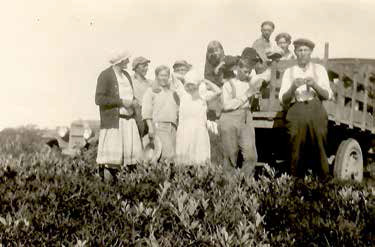
This week will be at Makinen’s, next week Kannas’s and the week after that at the Hupila Farm and so on. Berry harvesting were joyous get-togethers of entire families picking blueberries that grew in abundance after the logging companies had harvested the pine from the surrounding forests. Good pickers could fill four 10-quart pails in a day.
My dad enjoyed these forays because a once a year treat of an orange and sandwiches made of store-bought sliced white bread would make up the lunch.
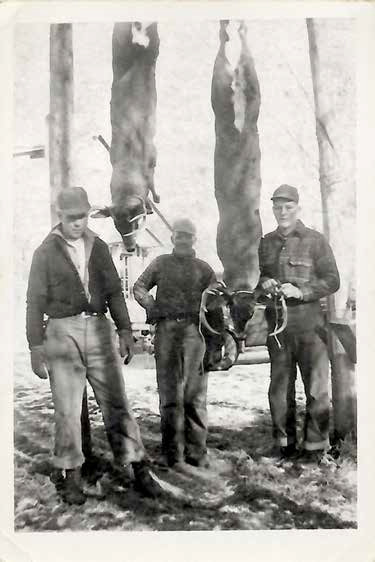
The men and older boys would make massive deer drives to a dozen well-armed shooters in November. One day would be used to make the drives, dress and hang the harvested venison and the next day would see them go out with horses and wagons to collect and distribute to each family.
Cooperatives were established in most Finnish communities. Many times, a Co-Op building would be built as a central deposit for the members of the community to buy shares that would purchase staples and other commodities in bulk, allowing a few precious dollars to be saved over the course of a year.
Balsam had the same concept, but in a slightly different format. A “Cow Club” was organized and headquartered at the Kinnunen Farm. Otto Junior was the administrator. Part of its purpose was to be able to line up breeding services for those farms not having a resident bull. Hence the name, “Cow Club.”
However, it went further. Every other month the neighbors would assemble and place an order for provisions. Otto would make the trip to merchants and again, be able to buy consumables in bulk to save money.
On a designated day, all those who placed orders would come and pick up what they had paid for. It would be a jovial day with members of the community visiting and enjoying each other’s company while coffee and pulla (biscuit) was served. Some came with horses and carts, some with various gasoline vehicles and some just hiked to collect the staple they had ordered. Packsack Anderson was one who arrived with an empty Duluth-style pack to bring his goodies home.
Even under these circumstances, some money had to be generated. Edwin had his blacksmith shop. The farm also sold milk, cream and butter in bulk to the Balsam Store and to logging and CCC camps nearby. But in addition to shoeing horses and selling dairy, Edwin and son Alvar would go peddling to Bovey and Nashwauk. They would load a wagon with surplus dairy, eggs, butchered and cleaned chickens and firewood to be sold to the mining bosses and supervisors who lived in the more upscale neighborhoods of those towns.
Edwin also relied on his carpentry and log building skills to hire out to build houses, barns and other outbuildings for others. He was able to leave for a few days at a time because son Alvar and Helmi could take care of the chores around the farm, milking cows, tending the garden, collecting eggs and feeding the livestock.
Part of Alvar’s duties included letting the cows out of the barn in the morning and herding them up to bring them back in the evening. There were no fenced pastures during this time and cows from all the neighbors would gather to find forage over several hundred acres of both private and public lands.
The sons of each farm would learn unique footprints from one of their cows and track that print each evening until they could hear the sounding of the cowbell associated with their farm. Once the “bell cow” was found, they could lead that animal back home and all the other cows from that farm would follow. Calving time could pose a problem as cows ready to give birth would hide the calves in the woods, and the hunt would be on to find them before the wolves did.
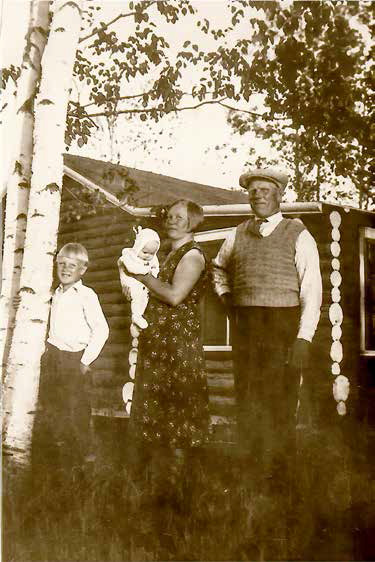
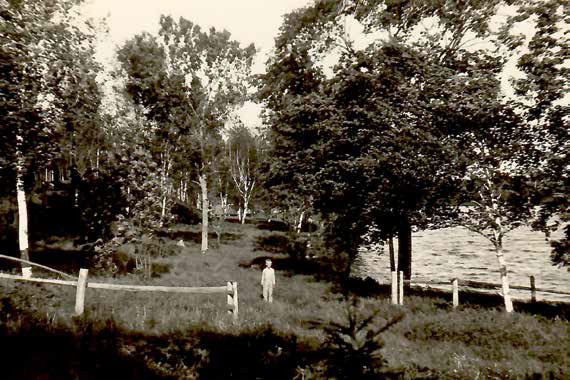
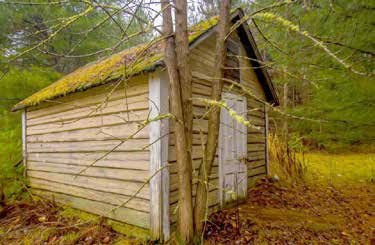
The Hupilas also took in boarders into their small house. Sometimes it might be a traveler needing a place to stay for a few nights. Sometimes it was hired workers as a crew that might be hired by a logger to “piece cut” or by the county to help build a road. Besides a place to sleep, meals would be provided and if needed, lunchpails packed. During one stretch, there were enough workers staying there to make up two “shifts”. When one crew was fed and ready to leave, the other crew would return to a meal and sleep in a recently vacated bed. Helmi was kept busy with laundry, making two meals a day and packing lunch for those out for their day of work – besides keeping up with the garden, canning, cleaning and various other farm chores.
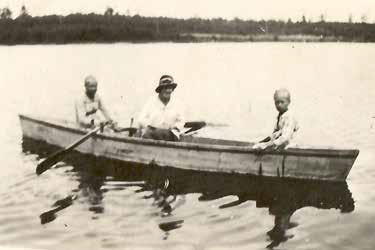
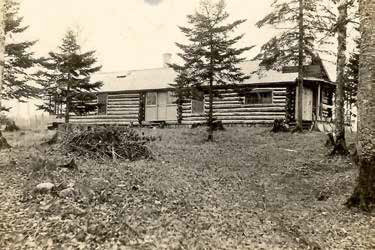
During one stretch in the mid-thirties, Edwin took the time to build a little log cabin on a point of land just down the shoreline from the sauna and icehouse. Soon he was asked if he would be willing to rent out the cabin to those fortunate enough to want to vacation in the area. For five dollars a week a renter – in addition to the cabin – would be provided with firewood for the stove, all the dairy products they could use, ice for the icebox, use of the sauna and a homemade rowboat. Alvar would act as dock boy and guide. It became lucrative enough that Edwin built three more cabins and named this venture “Snaptail Resort”. It remained in existence until he passed away in 1971. Many people from all over the U.S. stayed there, although most came from southern Minnesota, Iowa, Wisconsin and Illinois. A few notables signed the guestbook over the years including Pearl S. Buck.
The Great Depression was a terrible time for most of America, but many of the Finns in northern Minnesota survived with minimal hardship. Ingenuity, hard work and sisu won the day.
Next time: The Forties, WW2 and maturing to adulthood for the First Generation Finns