First week after the past 250 years has passed and now the second week begins. Schools and colleges have been on break for a month and a half, and now begin making plans for the end of August start-up. It seems like everyone speeds up to fit in as much project-finishing or mellowing out as possible during the summer months.
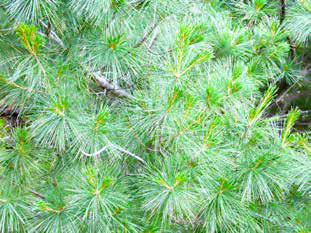
Parades and other weekend events passed, and the calendar offered thoughts of other summer activities. A walk and a stop to take in the color, texture, and abundance of needles on white pine branches brought out appreciation for what needles and leaves do to provide life, growth, seeds, fruits, food, and variety within the landscape.
Recalling only a couple of days ago when they were absorbing a storm and high winds, and now reverting to a calm, still, bathing in the morning sunlight.
Along that walk, plants displayed flowers in all stages. Some were wild and native to this area.
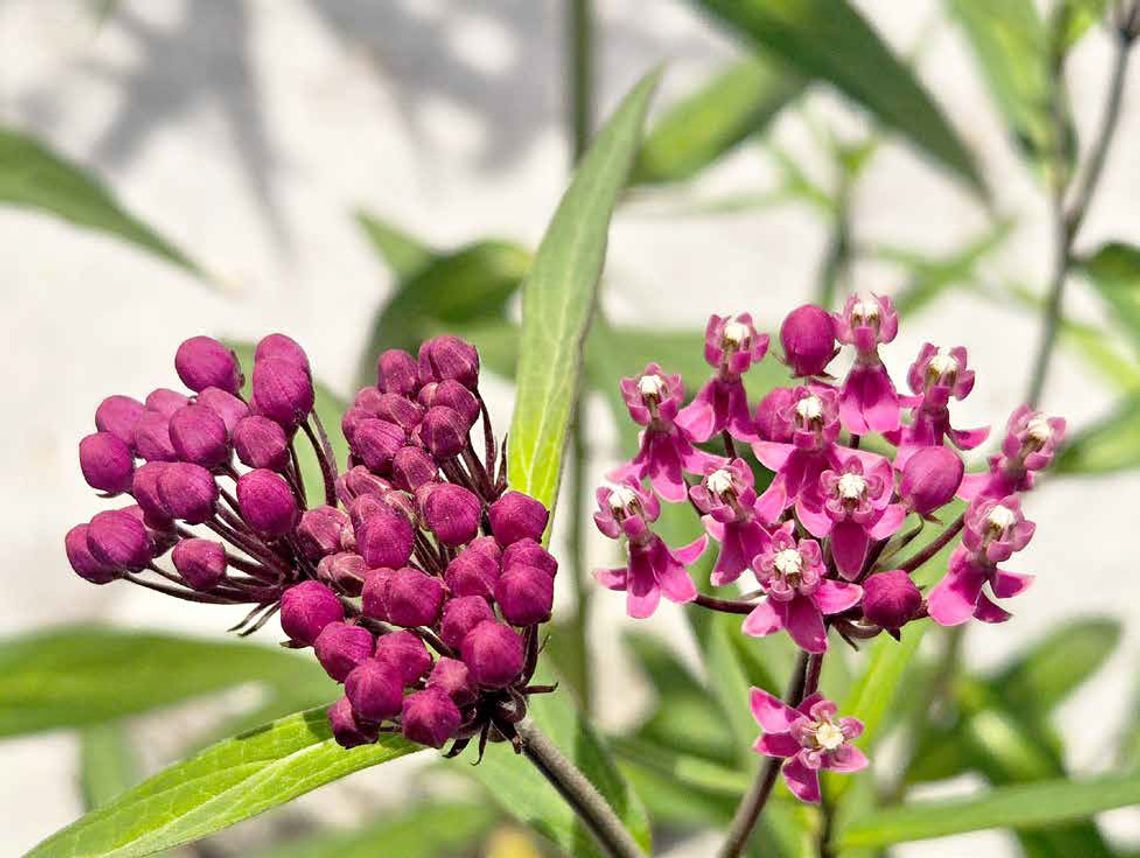
Others not originally native to this area were making a home here. Arriving home, a forest backdrop framed the landscape plantings. An area where tansy had taken over was re-landscaped with the planting of native plants. Flowers caught my eye, and they topped an area of swamp milkweed.
Swamp milkweed is a native plant that grows throughout our area, often in wetlands. They have been planted in rich soil of both wetland and upland sites. Unlike common milkweed, the flowers are redder and the leaves are narrower. Common milkweed is not a forest plant and is more commonly found in open landscapes.
Because of common milkweed’s well-known association with monarch butterflies, it has been planted outside of its historic range. It does well in drier soils in open areas and gardens, and people can see monarch butterflies’ arrival and use of it each summer.
Last summer, although the milkweeds in our area performed as usual, there was a notable lack of monarch butterflies. Concern for their welfare led to extensive discussion but no conclusive answers explaining their absence.
Monarch butterflies migrate in the spring and fall. They winter in the southwest and migrate across country to arrive here in June. After feeding on pollen and producing eggs, their caterpillars feed on milkweed plants before becoming a new generation of monarchs that migrate back to the southwest for winter. Since, as people, we are interested in the weather, one thought from last year was that the spring weather may have inhibited monarch spring migration.
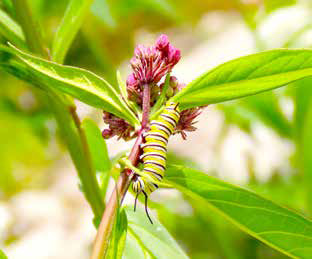
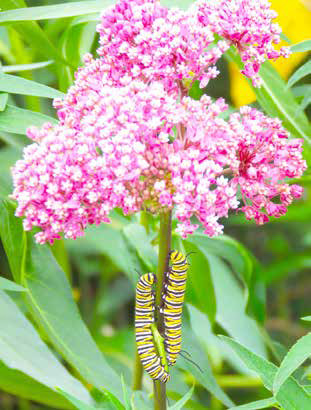
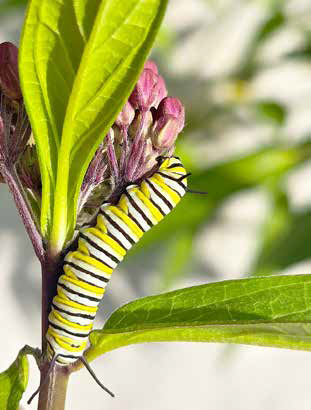
Upon seeing flowers on the swamp milkweed and investigating the plants, a monarch caterpillar was found. Later, seven caterpillars, still quite small, were found.
It looked like the fruits of the milkweed plant labors were potentially serving milkweed this year.
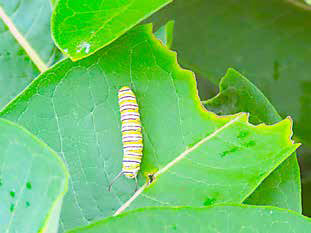
Now to test some other patches of milkweed. Common milkweed once planted can be very aggressive in growing and taking over an area. At a friend’s cabin, a planting claimed an area, and on a visit to that large patch, one caterpillar was found, and a single adult monarch was seen flying nearby.
A similar large patch of common milkweed exists at Ely’s brush dump, and one caterpillar was found there. I haven’t checked the similar common milkweed patch at the southeast corner of the Ely Cemetery yet.
Then the last visit was to the pollinator garden planted in front of the Ely Elementary School. Both kinds of milkweed are planted there and have done well, providing a comparison of monarch use.
Both milkweeds were fully grown and flowering.
Again, the common milkweed dominates this year’s regrowth. There were caterpillars on the swamp milkweed, but not on the common milkweed yet.
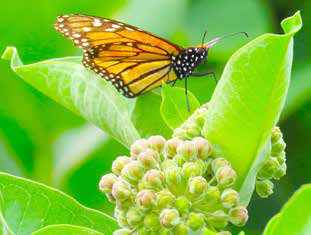
However, there were at least five adults flying around, with some chasing each other.
It looks like migration went well this year for monarch butterflies, and it will be interesting to hear about their milkweed plant explorations and monarch sightings. Don’t forget those leaves are at work to produce food; more monarchs and more milkweed seeds come fall.