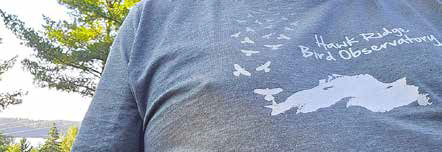
Wearing the Hawk Ridge Bird Observatory t-shirt this week is a statement and reminder that autumn is ahead, and that counting of migrating birds begins on Saturday, Aug. 15. Everything observed in recent days fits within the context of this time of year.
Preparations for what lies ahead will take place.
Weather changes, landscape projects, return to schools and colleges, trips with family and friends, and planning for what fall and winter have to offer will occur. One person prepares jams and jellies from the strawberries, juneberries, blueberries, raspberries, chokecherries and any other fruit that has been picked.
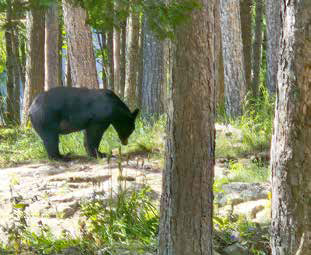
Some pontoon boats are out for some of their last outings of summer. Bears are showing up in their efforts to put on weight for the winter ahead.
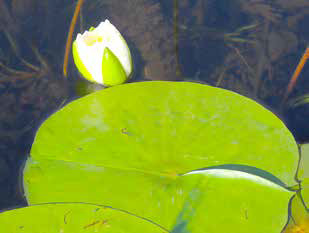
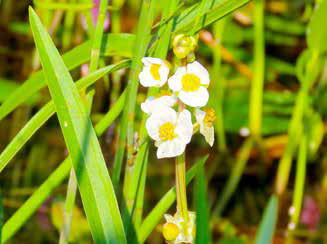
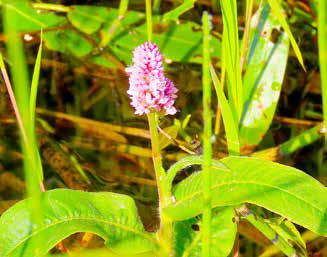
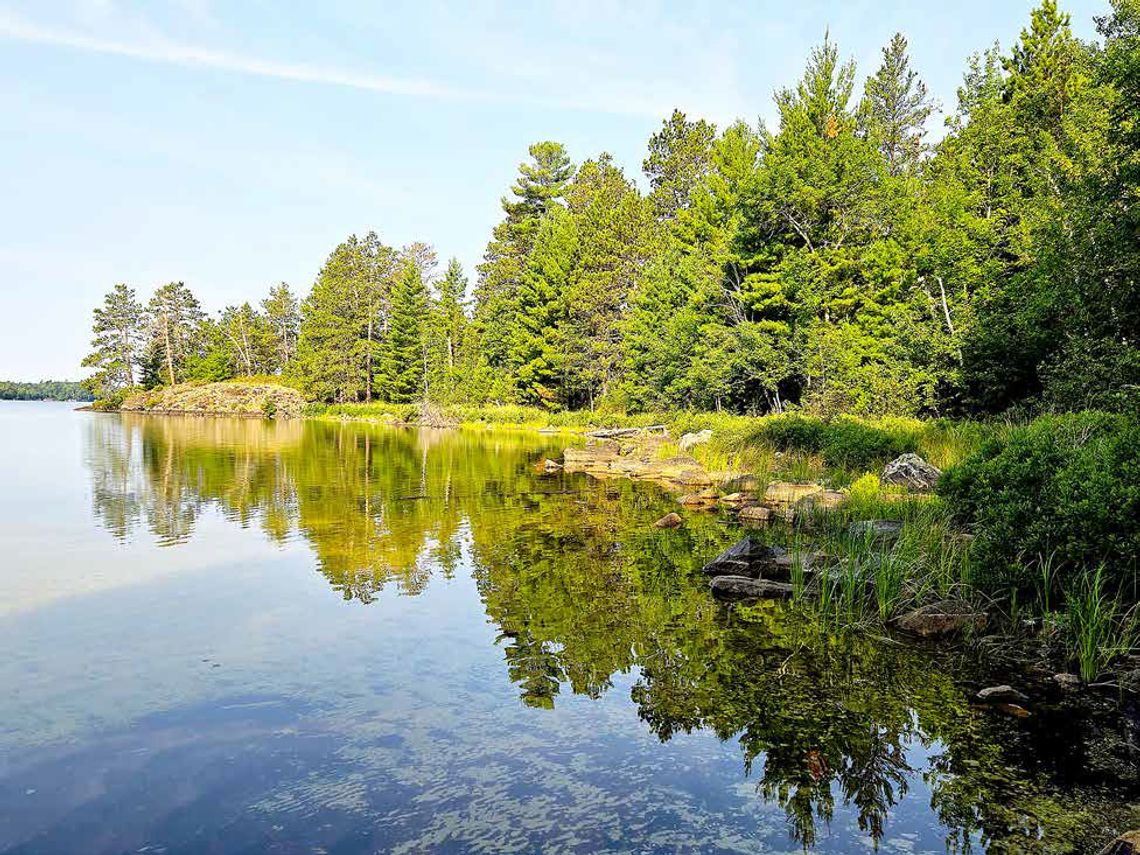
Late summer flowering plants are now in bloom, with seed production ahead. Birds have completed nesting and are now migrating or locating food resources for fall and winter.
Some people are looking at the hawkcount.org website to see what to expect at Hawk Ridge Bird Observatory’s counts as reports begin with the start-up of counting at Hawk Ridge in Duluth. Or they may be looking at other count locations elsewhere.
Looking at last year’s data enabled us to review one upcoming event – the migration of common nighthawks that travel south through this area at the end of summer.
Common nighthawks live here and farther north in summer. Rarely seen during the nesting season, when they hunt insects at night and feed nestlings, they go unnoticed until late August. The counters in Duluth and many others begin watching during the early evening light as these birds move south in large numbers, catching insects as they swoop over lakes and treetops.
Looking at the Duluth hawk count reports from last year, along with all the other birds counted, these were the numbers for nighthawks.
August 19(1), 20(43), 21(47), 22(17,879), 23(14), 24(11), 25(6), 26(19), 27(173), 28(1), 30(13), 31(68).
Like any other species, some activities are somewhat predictable, and other things occur depending on weather, location, and other factors. Exploration and discovery become special on a daily basis, along with the experiences people share, increasing awareness.
It will be interesting to learn of the first common nighthawk migration sightings this year along with the last hummingbirds visiting feeders, the last monarch butterflies seen before leaving, and other phenology reports that define our area.
One last discussion and discovery of this week involved an animal’s calls. The listeners tried to use the Merlin app on their phones to identify the bird, but it could not. The listener had recorded the sound, and upon sharing it, the suggestion was that it might not be a bird. Living in town with a garden and birdfeeders, could it be something other than a bird?
One thought that was raised was that maybe it’s not a bird. How about a Franklin’s ground squirrel, and sure enough, that was the correct answer.
Once the name came up and was shared in other discussions, further discussions arose around various opinions on the presence of Franklin’s ground squirrels.