Every aspect of life derives development in the context of environment. Reflecting on the Little Sioux Fire and recent fires last week brought thoughts of fire and the many roles it plays in shaping environments and living both past and present. Fire exists in some places more than others and, like many aspects of life, has greater interest and influence when experienced firsthand.
Living for 30 years in Southern Michigan and never experiencing wildfire in that environment, even though forests were present, was a different environment and reality than the past 50 years in northeastern Minnesota.
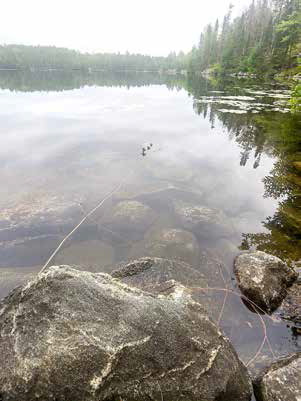
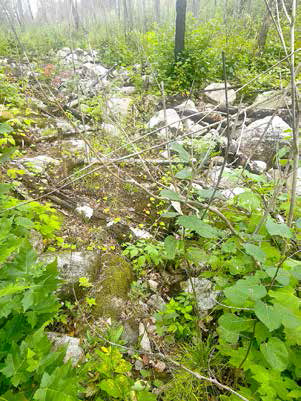
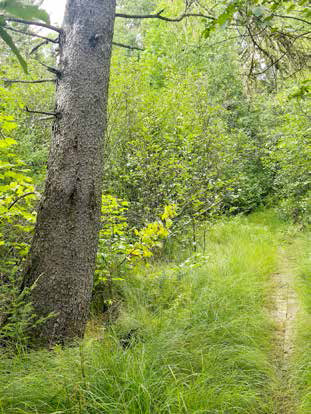
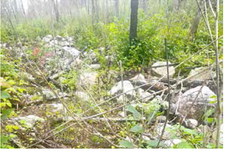
A stop along the Echo Trail to walk the portion into Fenske Lake, where the landscape has been managed in recent years. Like many areas, the understory of balsam fir was cut, piled, and burned to introduce controlled fire and forest regeneration without risk to the campground and private landowners. Walk the portage in the pleasure of the forest, lake, and the open understory with plants responding to increased sunlight and reduced competition. Glacial boulders clustered on bedrock and surrounded by regrowth of fruit, flowers and color-changing leaves.
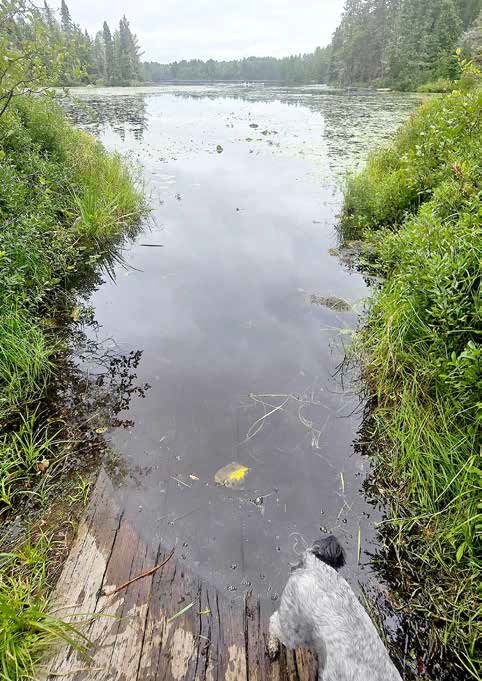
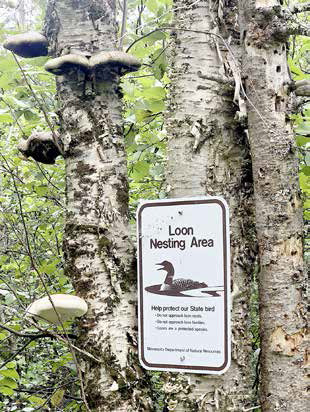
On the way back, don’t stop at your car. Cross the Echo Trail and walk the boardwalk to Everett Lake. Unlike the other side of the road, the forest is a wetland with lots of black ash and some large tamarack trees. A different lake and shoreline with shallow water and a mucky bottom.
Thoughts turn to the Ely canoe races of the past, with a route of paddling and portaging. Maybe someone reading this participated and had to jump out in the muck to get their canoe up on the portage and run to Fenske. Recent years of canoe marathon portage road races show how times have changed.
In any area of an environment, changes occur and challenges are faced. During seasonal transitions, plants and animals change with weather and food resources. Our memories and recorded history provide everyone with access to stories that have a basis in the environmental conditions they have experienced.
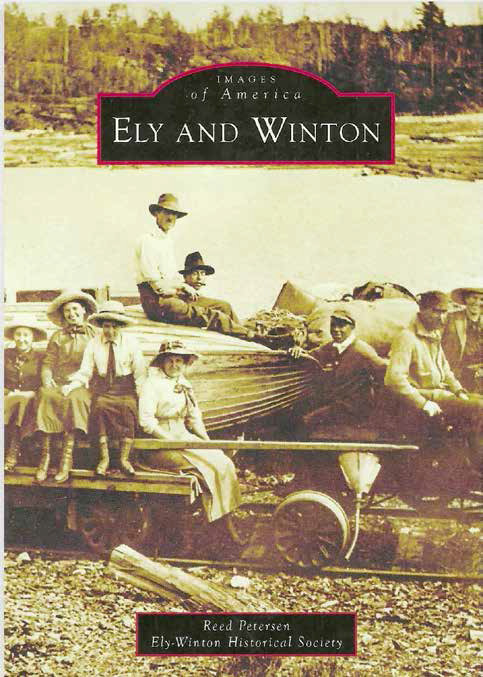
As September ends and October awaits with even more fall color, a new book has been published. To help us look back at the human history of our area, Reed Petersen and the Ely-Winton Historical Society have shared photos from the roots of the Ely-Winton Area. Reed grew up in Ely, as many did, and went away to college, and with his return to teach history on the Vermilion Campus, he used the resources of EWHS to write Images of America: Ely and Winton.
EWHS will have its annual meeting on Oct. 22 at Grand Ely Lodge. Reed will present and discuss what was learned and experienced in researching and writing the book. It should be a great opportunity for Reed and the book to create memories and share stories of past experiences that can only be found here.
Current visits included the Charles Sumner Purvis State Natural Area, the local high school Environmental Science Class, the college Environmental Design class and the EWHS Museum. Combine that with exploring and sharing experiences and discoveries from daily life in the natural world, and the art, science, design, culture and history that identify and help create the environments they grow up in over lifetimes.
Look into it. See the past and present. Work with others. Contribute to the future.